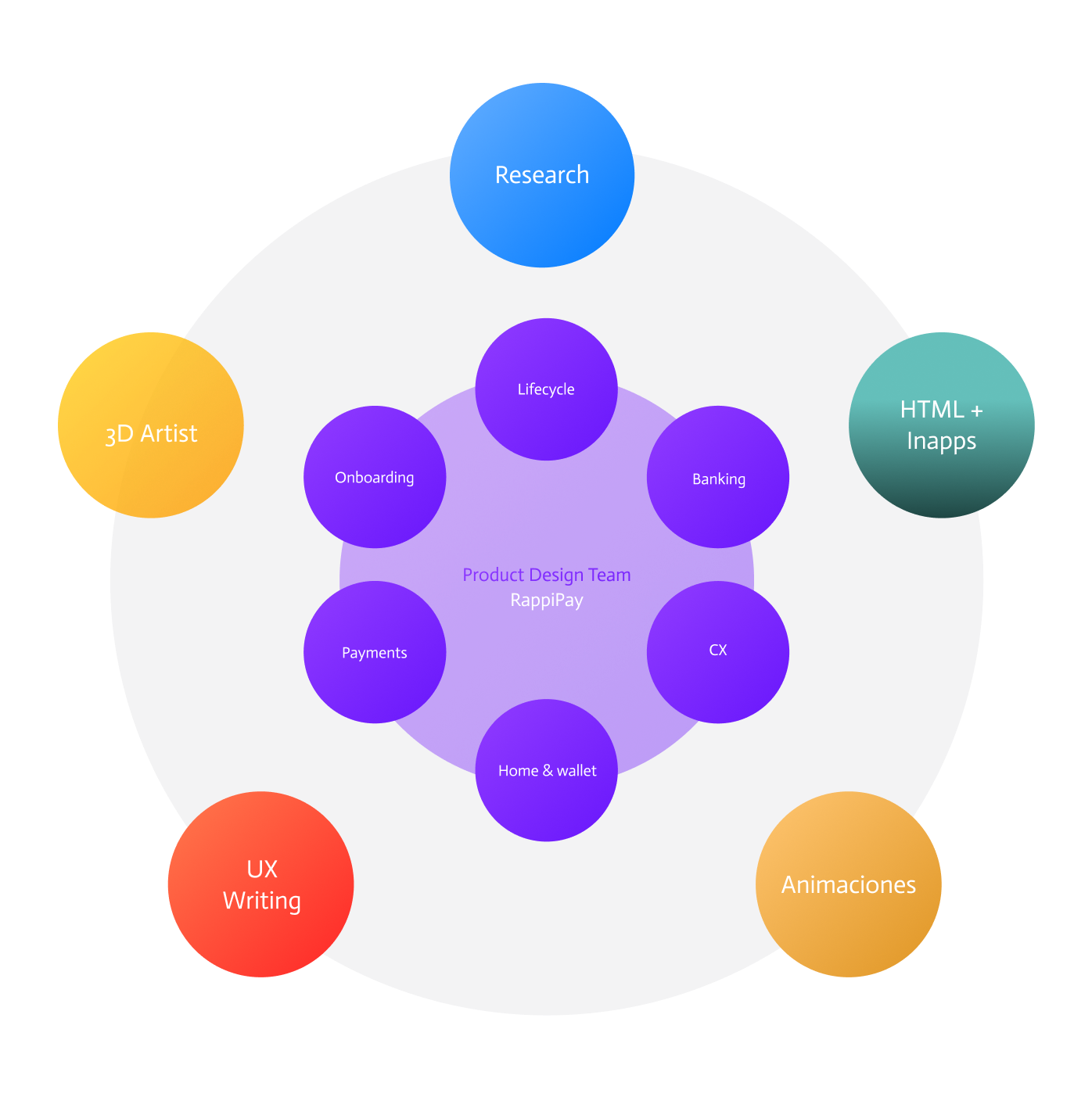
Making a first credit card feel simple
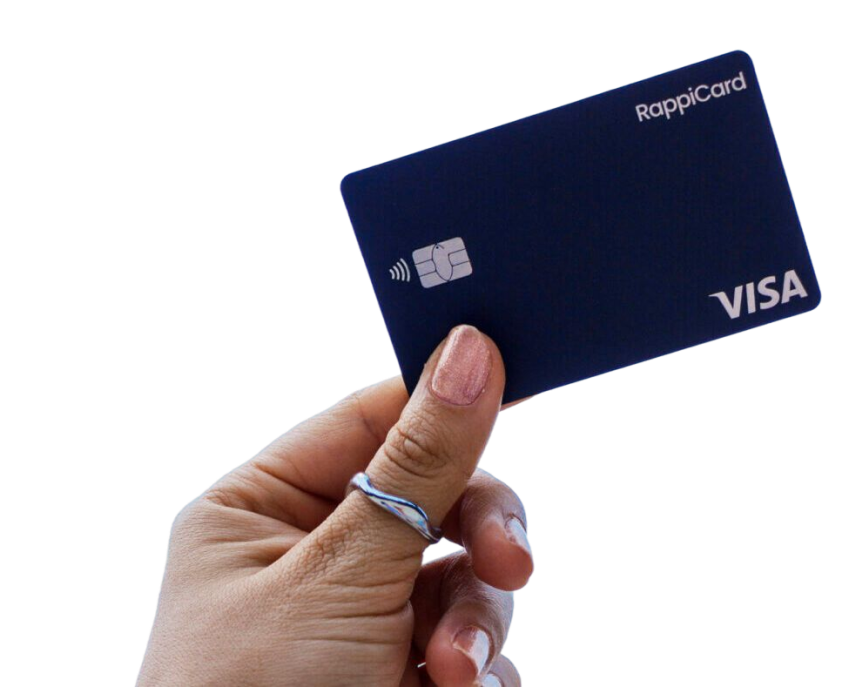
For about 40% of RappiCard users, it was their first credit card. In 2021, 9 in 10 adults in Mexico still paid everyday purchases in cash. At RappiPay, the fintech arm of Rappi, I was part of the Payments & Collections team, designing how people pay, manage debt and stay in control of their money.
ROLEProduct Designer
Mar 2022 – Oct 2023
Remote from Lima, Perú
SCOPERappiPay
Payments & Collections
UX strategy · Multi-market content · Dev handoff · Design Ops
TEAMGlobal Design Tribe + Squad
Research, Product design, PO, Development
LATAM
The fintech arm of Rappi, one of Latin America's largest super-apps. Every flow had to work across Mexico, Colombia, Peru, Chile and Brazil, each with its own banking infrastructure, regulations and level of financial literacy, in Spanish, English and Portuguese.
Company scale (2022 – 2023)
Monthly active
users
30M+
across 9 countries
Revenue
growth
↑ 37%
$624M → $856M
Cards
issued
220K+
40% first-time holders
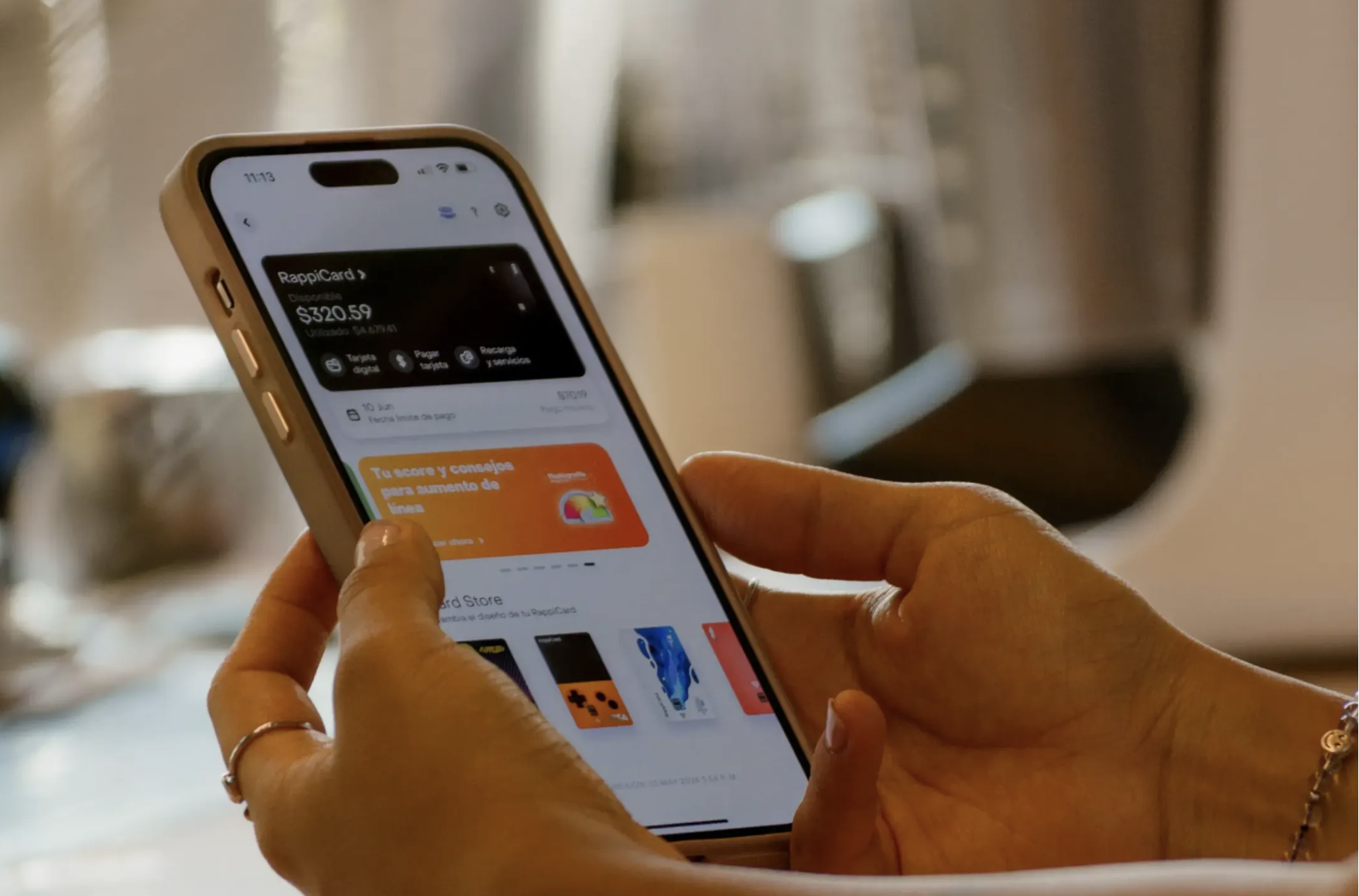
Our users manage their finances in different ways, shaped by their lifestyles and needs. Our goal was to equip them with clear, comprehensive tools that make financial control simple and effective.
For 40% of RappiCard users, this was their first credit card. A confusing payment flow wasn't just a UX problem, it was a financial inclusion problem.
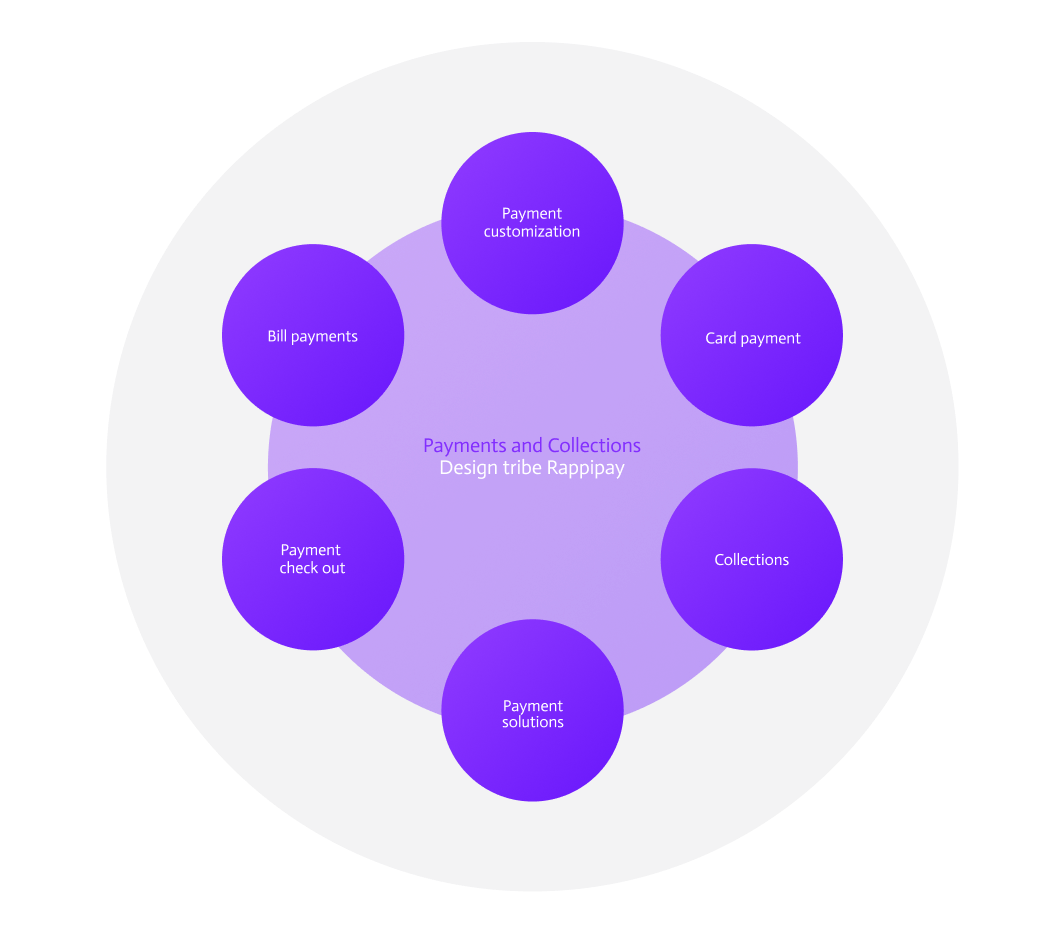
Payments & Collections
I was part of the P&C team who owned the end-to-end design flows that directly determine whether users can pay, manage debt, and stay in control of their finances.
RappiCard payment experiences
End-to-end checkout systems
Collection flows for users in arrears
Payment settings and recurring payments
Multiple payment methods (QR codes, barcodes, direct debit)
Integrations with financial partners across 5 countries
01 Context
Rappi first, money second
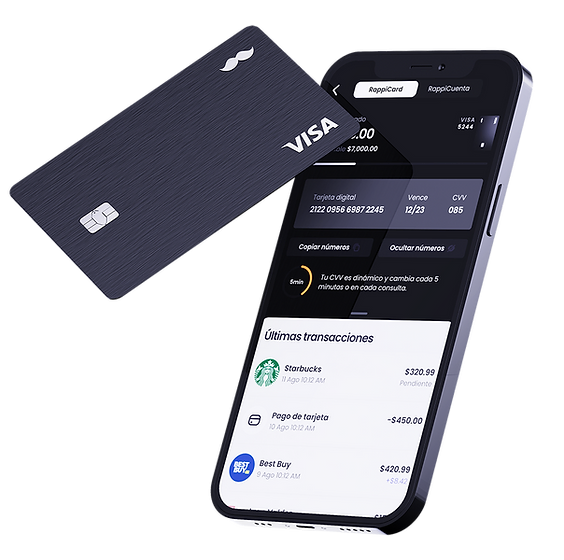
Rappi is one of Latin America's largest super apps, where people order food, groceries, medicine, a courier or a trip. RappiPay, its fintech arm, lived inside it: RappiCard and RappiCuenta sat right in the home feed, one tap away from the order people were already placing.
Every flow had to work across Mexico, Colombia, Peru, Chile and Brazil, each with its own banking infrastructure, regulations and level of financial literacy, in Spanish, English and Portuguese.
That changed the design problem. Paying the card couldn't feel like visiting a bank. It had to feel like Rappi.
Company scale (2022 – 2023)
30M+
Monthly active users
across 9 countries
↑ 37%
Revenue growth
$624M → $856M
220K+
Cards issued
40% first-time holders

02 The payment flow
We owned the whole payment flow, end to end
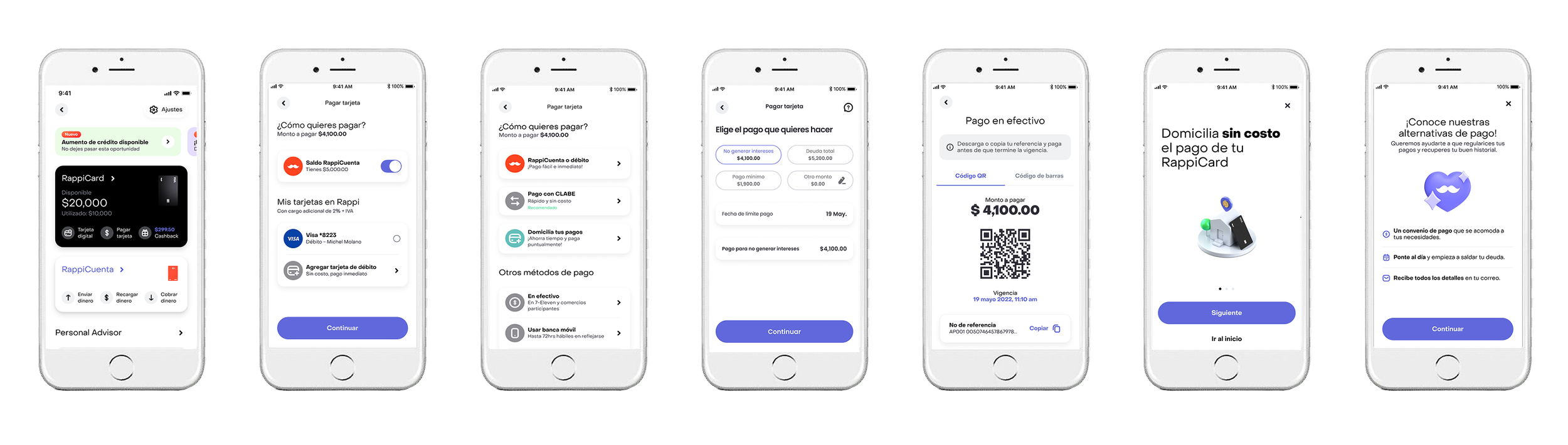
From the monthly statement to the confirmation screen, plus the path back for people who fell behind. The goal: turn paying the card from a bank task into a short moment inside Rappi.
- 01Statement
- 02Reminder
- 03Choose amount
- 04Choose method
- 05Pay
- 06Confirmation
If a payment is missedCollections → Payment agreement → Back on track

Outcomes, not math
Instead of an empty amount field, people picked what they wanted to happen: pay to avoid interest, pay it all, pay the minimum, or choose another amount.
The deadline is always visible
The due date and the no interest amount stay on screen, so people know what's at stake before they tap.
Money that's already there
RappiCuenta balance shows up first as a payment method, so paying never means leaving the app.
03 One region, many ways to pay
The same card, used very differently
How people handle money changes from one territory to another. Some regions were far less banked than others, and for many users this was their first credit card. Education and support weren't extras. They were part of the product.
Where cash is how people pay, the card had to accept it. A QR code or barcode lets people pay at a convenience store, with the amount and expiry date right there.

For people already paying digitally, the RappiCuenta balance and saved cards became one simple choice, with any fees shown before paying.

Free automatic payments to avoid missing a date, and for people who fell behind, a payment agreement framed as a way back to a good history.

04 Why it grew
A card that worked everywhere in Rappi
Covid pushed everyday life online. In 2020, e-commerce in Mexico grew 81%, and whole industries had to go digital. More people opened their credit account through the app, and the same card and Rappi credits worked across every Rappi business line.
Source: AMVO, Estudio de Venta Online 2021.
RappiCard
Delivery
Mall
Supermarkets
Courier
Pharmacy
Travel
05 How we worked
Designing with the people who build it
Engineers from day one
We brought engineering into discovery, so technical limits shaped the design early instead of cutting it late.
Scope, decided together
Joint sessions with product to agree on trade-offs, so what we dropped was a choice, not a surprise.
Decisions that survive handoff
Documentation templates and annotated files, so what we decided reached production as designed.
One way of working
I co-led a Design Ops initiative that gave our 25 person Design Tribe a shared process, so squads could review, reuse and ship with the same standards.
The multi-market complexity
Every flow had to work across 5 countries with different banking infrastructure, regulatory requirements, and financial literacy levels. Content had to be managed in Spanish, English, and Portuguese, adapted for each country's specific terminology and legal language.
Co-led a Design Ops initiative and help building tools for the team
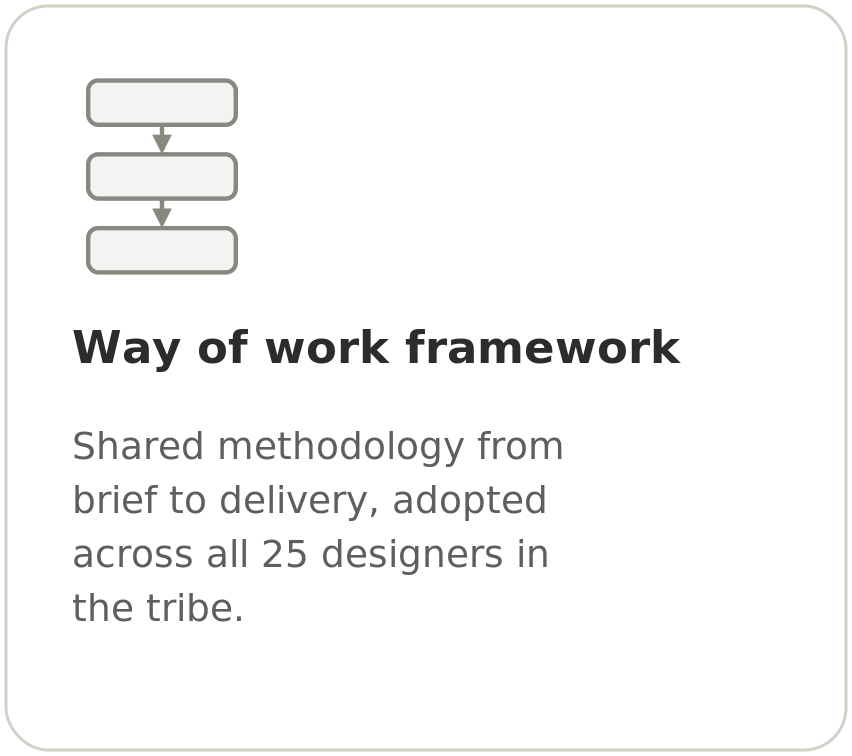
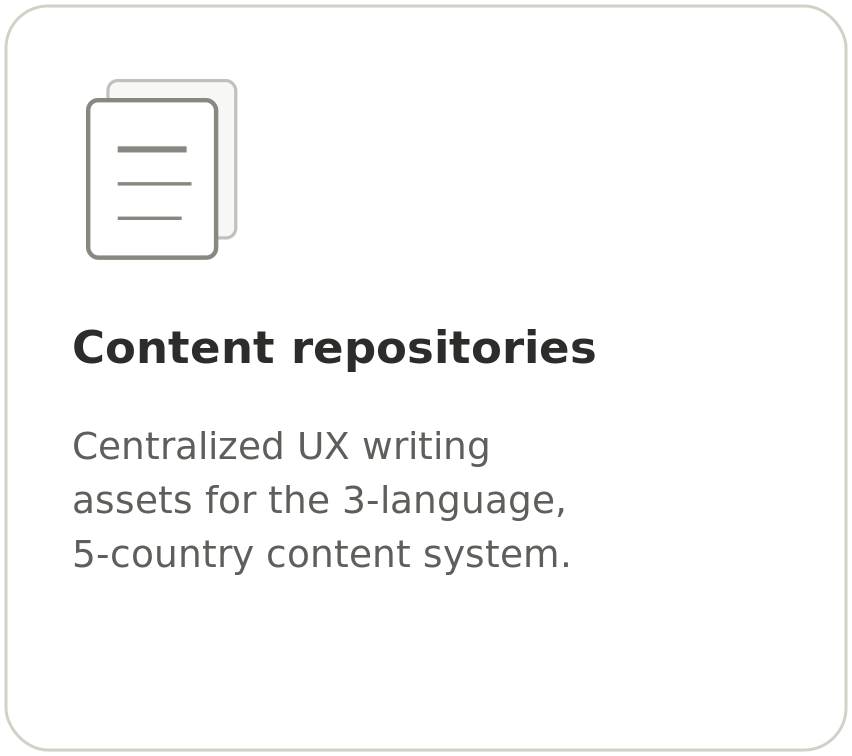
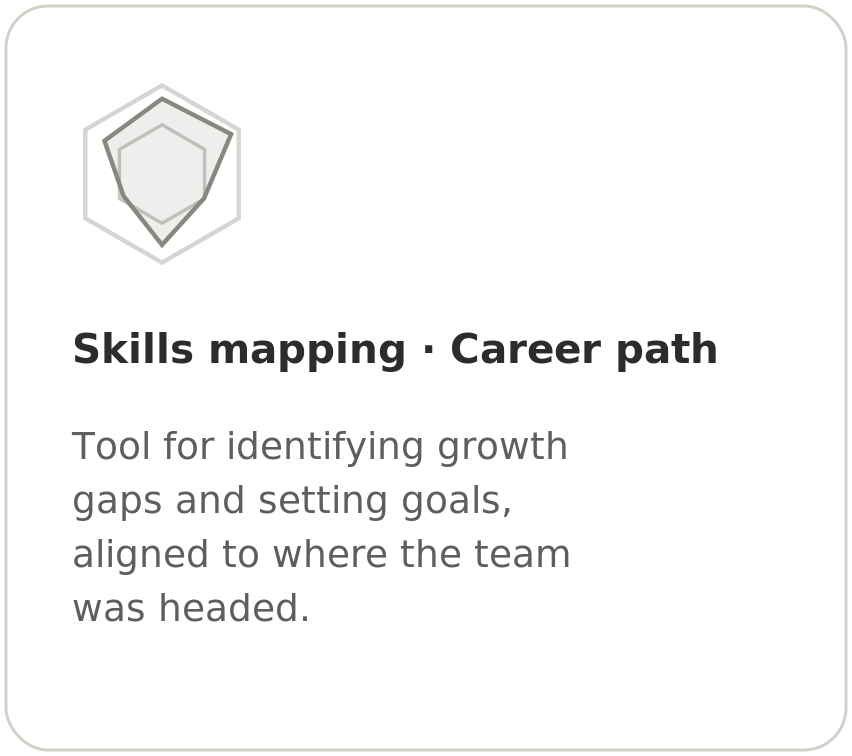
Design Tribe: Understanding the Team Needs
A design tribe of 25 people working across multiple squads and markets, with no shared framework for how to approach requirements, no documented ways of working, and no tools to support career growth.
Why it mattered: As Rappi's design function matured from execution to strategic partnership, the team needed infrastructure to match. The Design Ops initiative gave 25 designers a shared language, reduced process friction across squads, and created the foundation for a more autonomous, high-performing team.