Making a first credit card feel simple
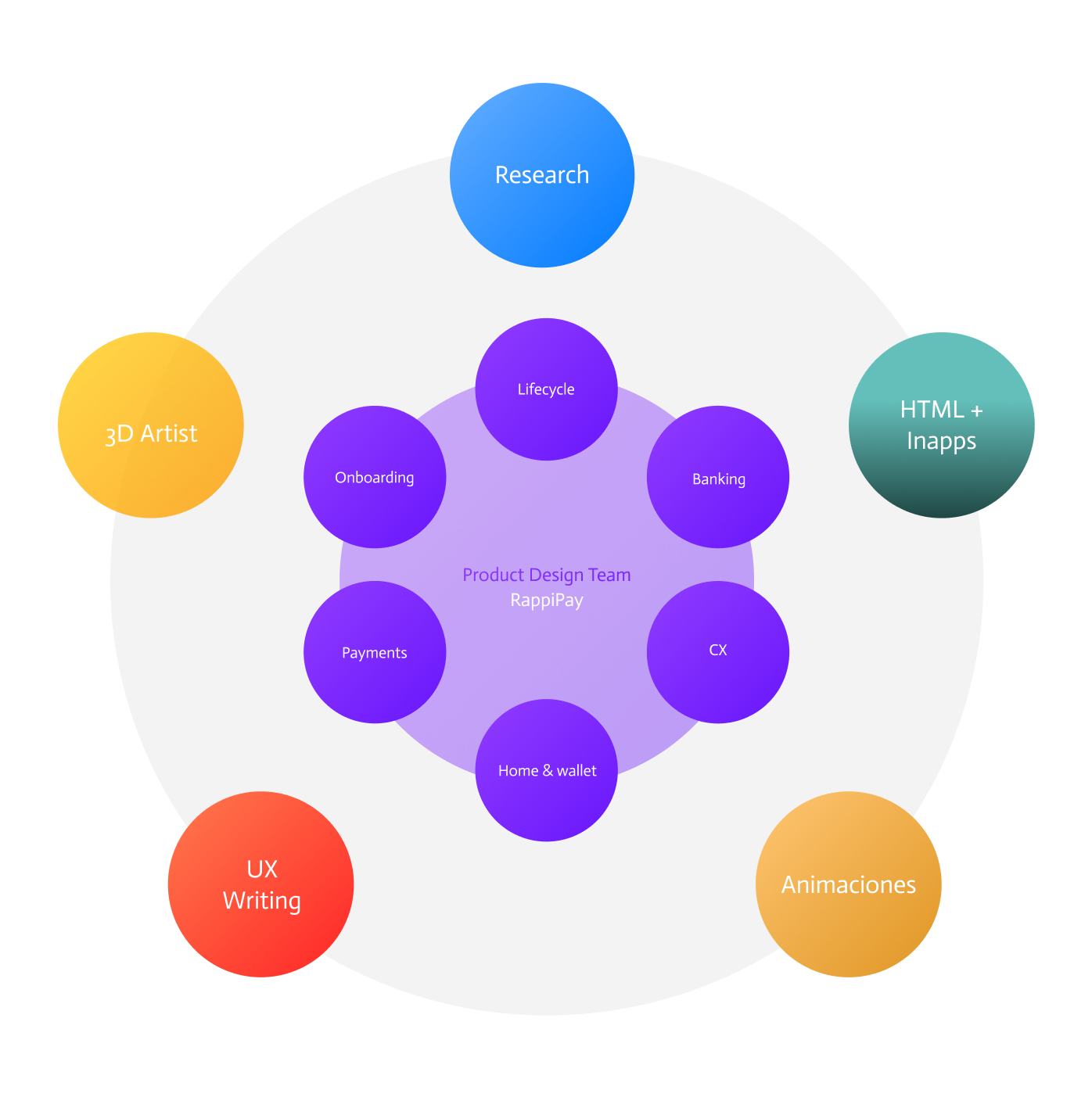
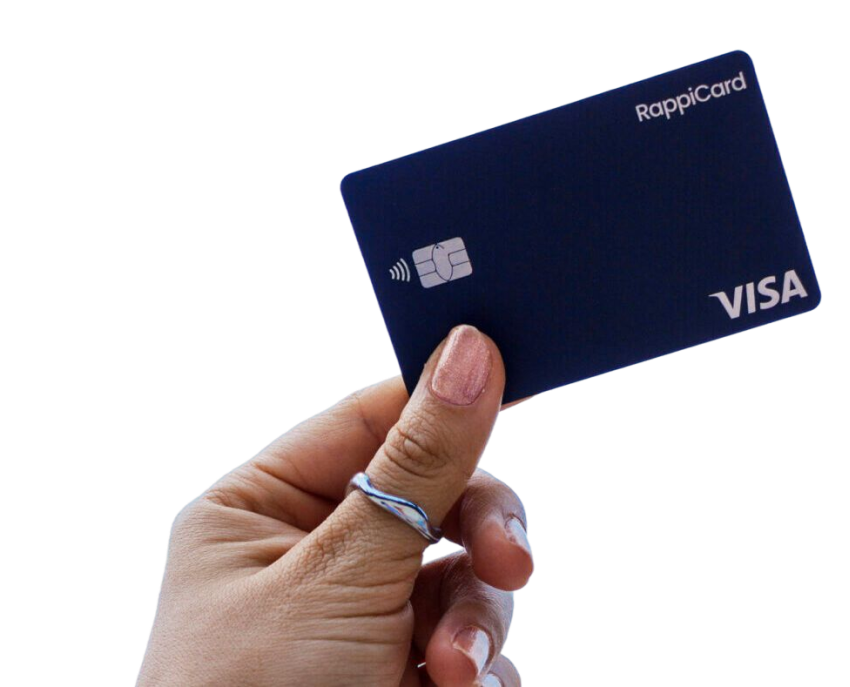
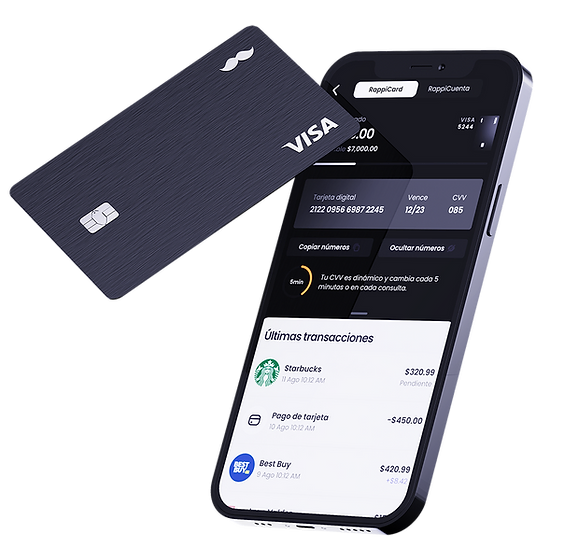
I was part of the Payments & Collections team, shaping how people pay, manage debt and stay in control of their money across Latin America. For 40% of our users, RappiCard was their first credit card.
ROLEProduct Designer
Mar 2022- Oct 2023
Remote from Lima, Perú
SCOPEPayments & Collections
Concept validation, User-journey mapping, Design and solution prioritization
UX strategy · Multi-market content · Dev handoff · Design Ops
TEAMGlobal Design Tribe + Squad
Research, Product design, PO, Development
LATAM
The fintech arm of Rappi, one of Latin America's largest super-apps. Every flow had to work across Mexico, Colombia, Peru, Chile and Brazil, each with its own banking infrastructure, regulations and level of financial literacy, in Spanish, English and Portuguese.
COMPANY SCALE (2022 - 2023)
Monthly active users
30M+
across 9 countries
Revenue Growth
↑ 37%
$624M → $856M
Cards Issued
220K+
40% first-time holders
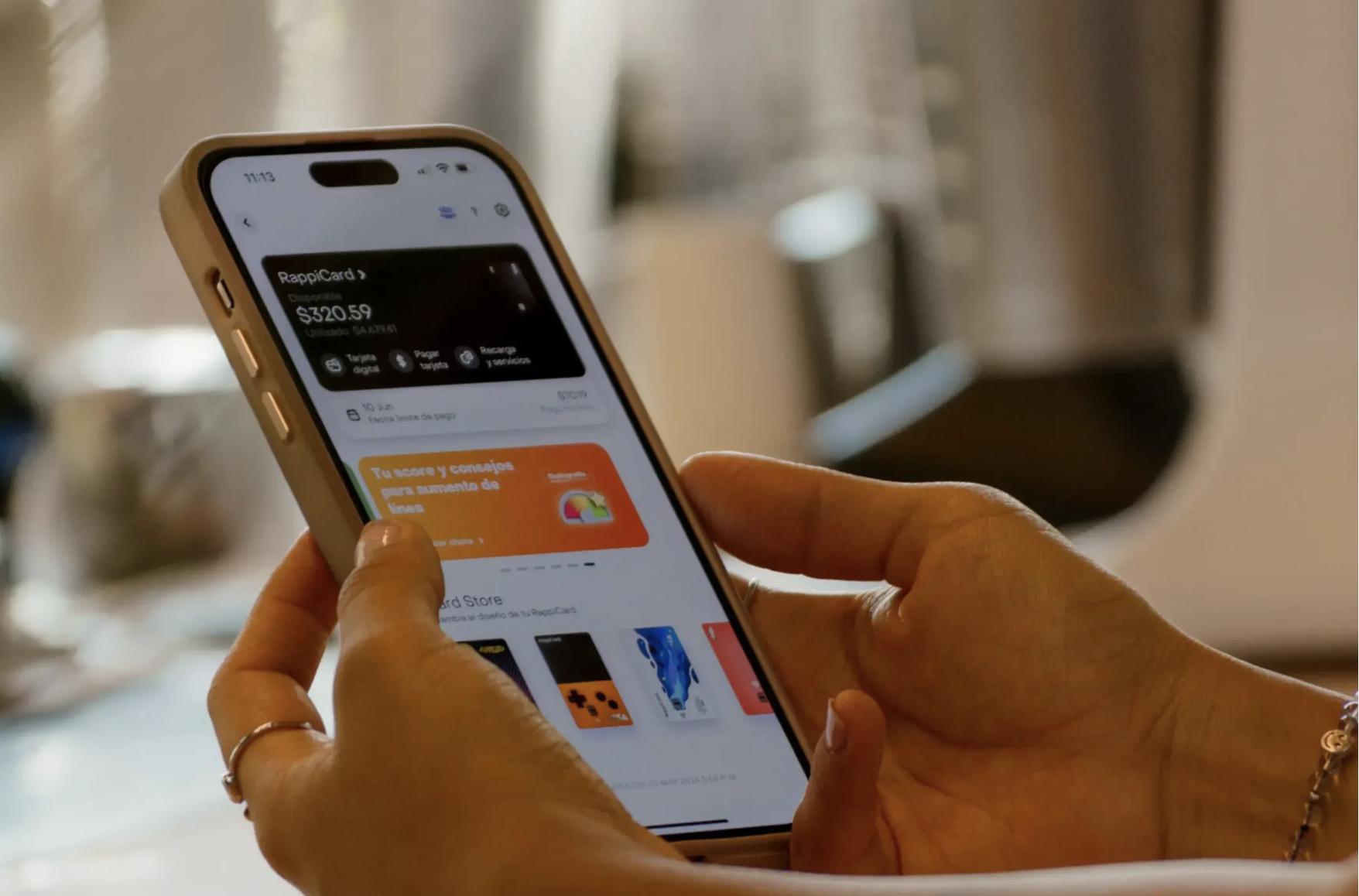
Our users manage their finances in different ways, shaped by their lifestyles and needs. Our goal was to equip them with clear, comprehensive tools that make financial control simple and effective.
For 40% of RappiCard users, this was their first credit card. A confusing payment flow wasn't just a UX problem, it was a financial inclusion problem.
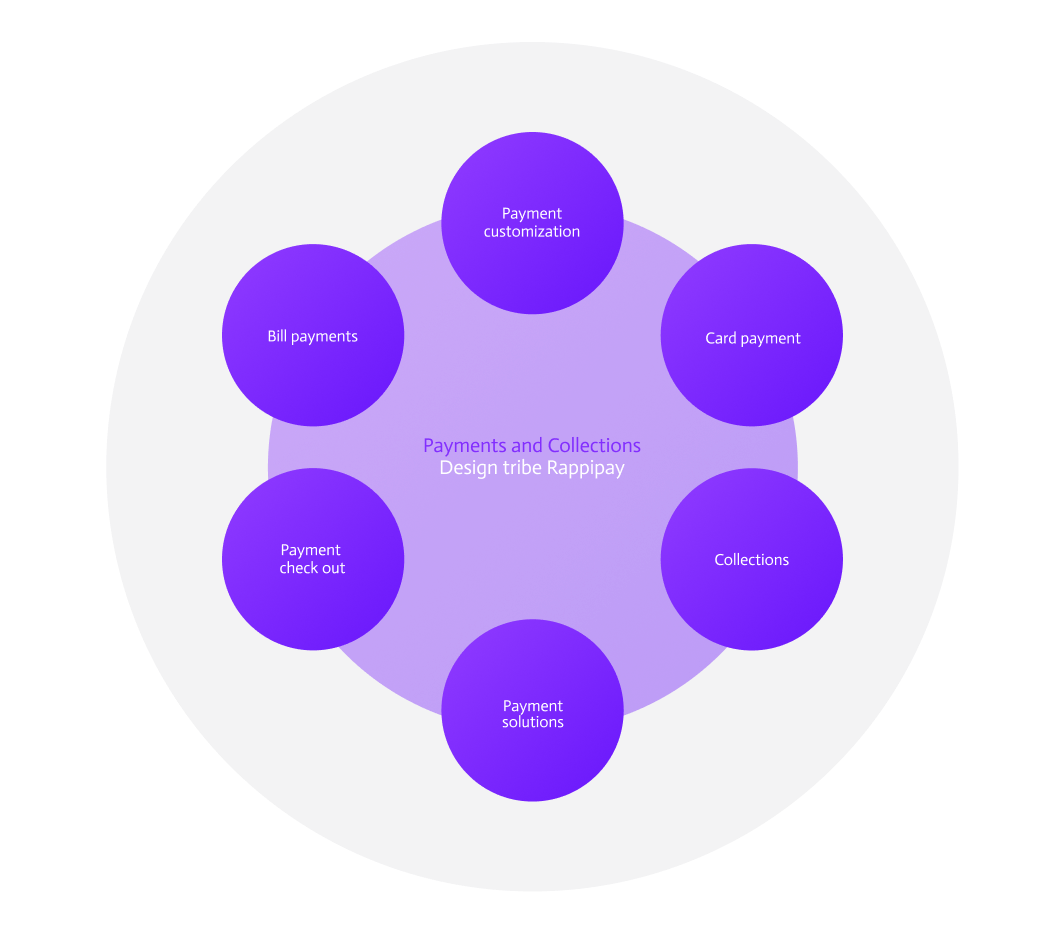
Payments & Collections
I was part of the P&C team who owned the end-to-end design flows that directly determine whether users can pay, manage debt, and stay in control of their finances.
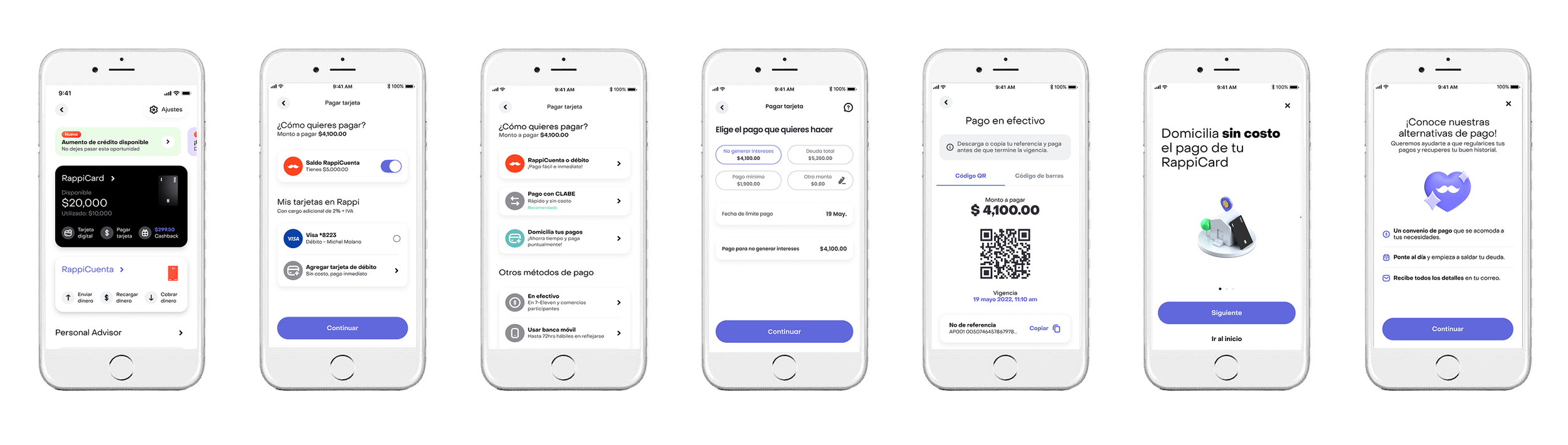
RappiCard payment experiences
End-to-end checkout systems
Collection flows for users in arrears
Payment settings and recurring payments
Multiple payment methods (QR codes, barcodes, direct debit)
Integrations with financial partners across 5 countries
The multi-market complexity
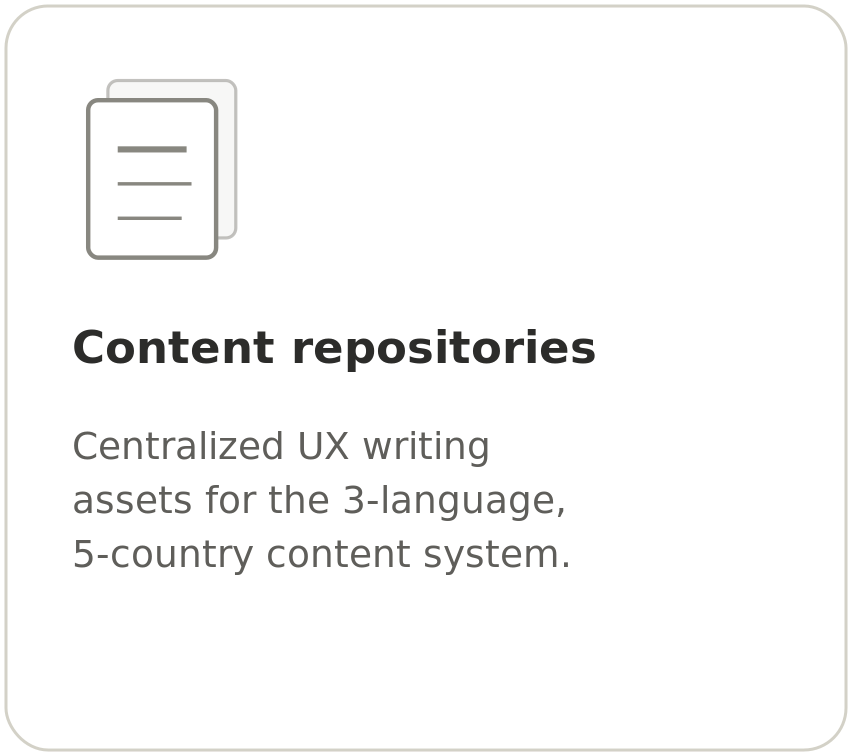
Every flow had to work across 5 countries with different banking infrastructure, regulatory requirements, and financial literacy levels. Content had to be managed in Spanish, English, and Portuguese, adapted for each country's specific terminology and legal language.
Co-led a Design Ops initiative and help building tools for the team
Design Tribe: Understanding the Team Needs
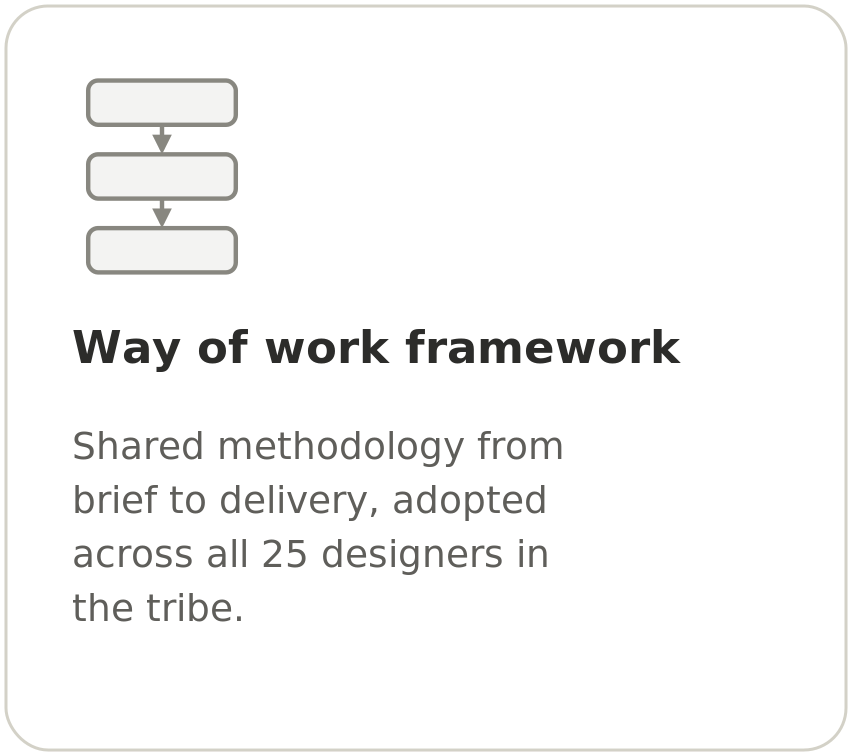
A design tribe of 25 people working across multiple squads and markets, with no shared framework for how to approach requirements, no documented ways of working, and no tools to support career growth.
Why it mattered: As Rappi's design function matured from execution to strategic partnership, the team needed infrastructure to match. The Design Ops initiative gave 25 designers a shared language, reduced process friction across squads, and created the foundation for a more autonomous, high-performing team.